1. Mother Nature vs. the Supermarket
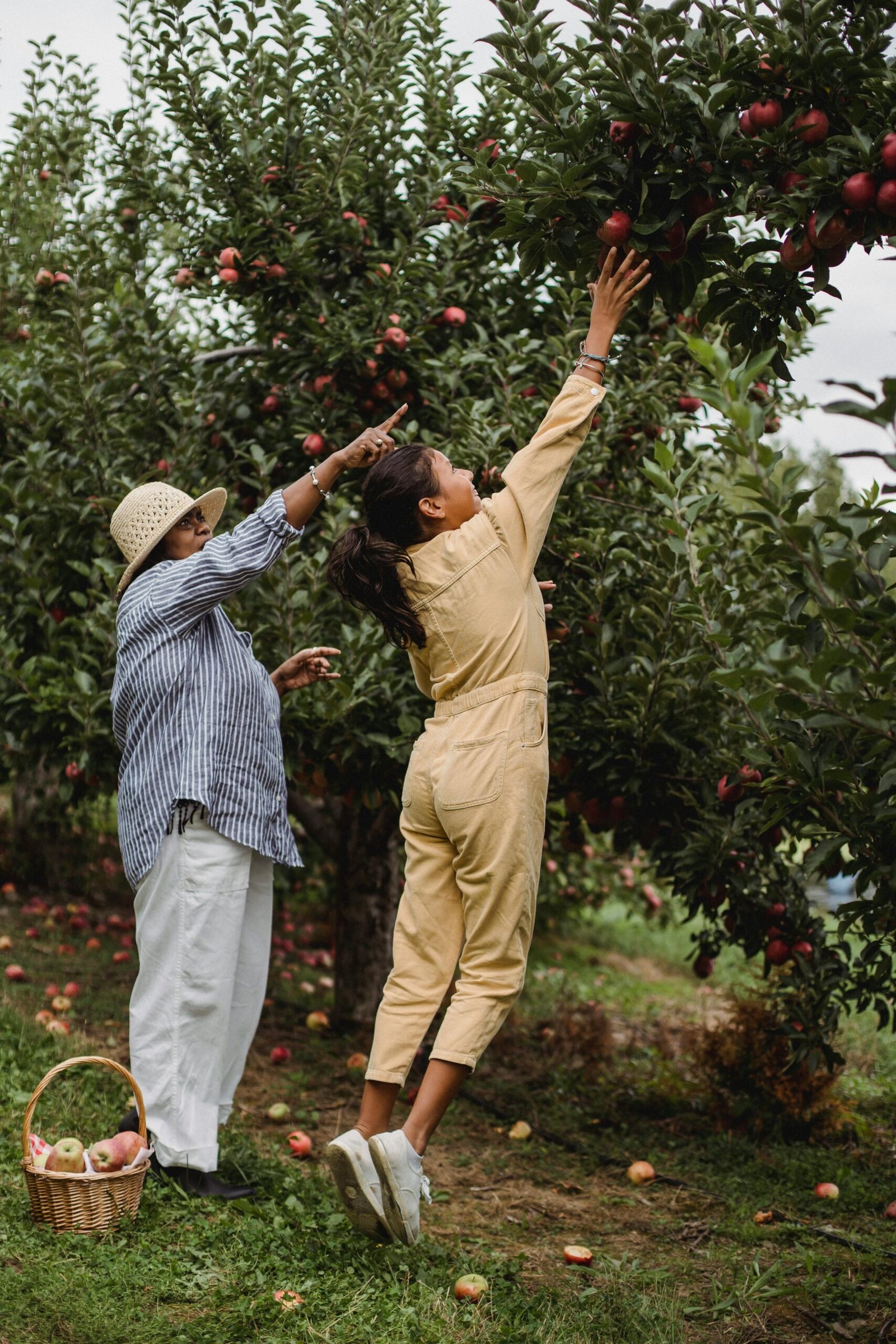
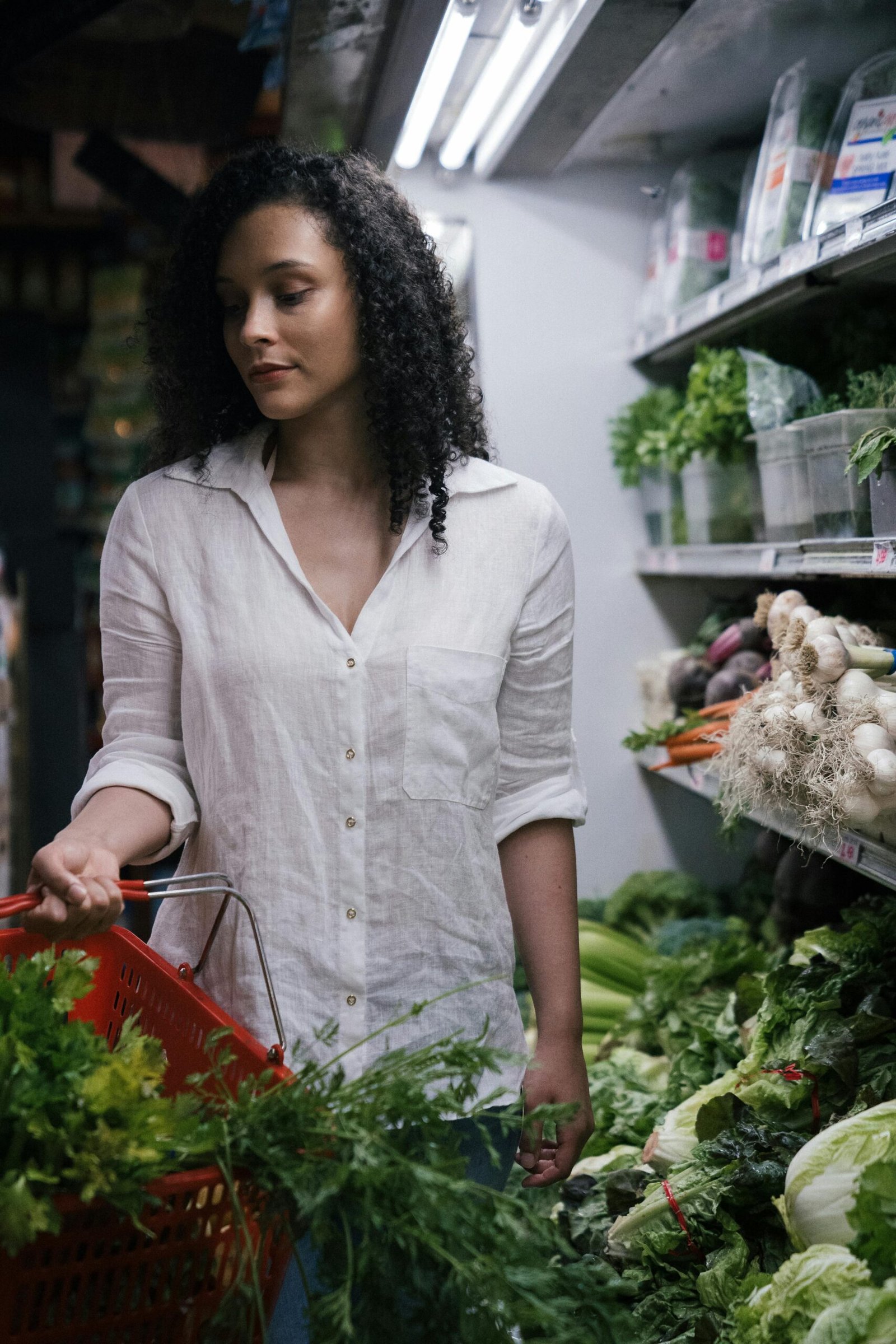
Nature, the ecosystem, God—whatever you choose to call it—created a perfect balance:
- Fruits and vegetables grow in their own time, absorbing minerals from the soil.
- Animals feed on what the ecosystem provides (grass, herbs, insects, clean water).
- Oceans and rivers raise fish in their natural environment, with currents, algae, and biodiversity.
👉 That is real natural food: slow, balanced, flavorful, with complete nutrients.
But the supermarket in the United States often tells a different story:
- Chicken that grows in 6 weeks with hormones and antibiotics.
- Cows fed GMO corn, soy, and byproducts.
- Salmon raised in tanks, dyed with coloring to look “pink.”
- Fruits and vegetables harvested green and ripened in storage chambers with ethylene gas.
This is not what God or the earth designed. This is industry.
What is trans fat?
- Natural trans fats: found in tiny amounts in ruminant animals (cows, sheep, goats) —in dairy and meat. Usually harmless at small levels.
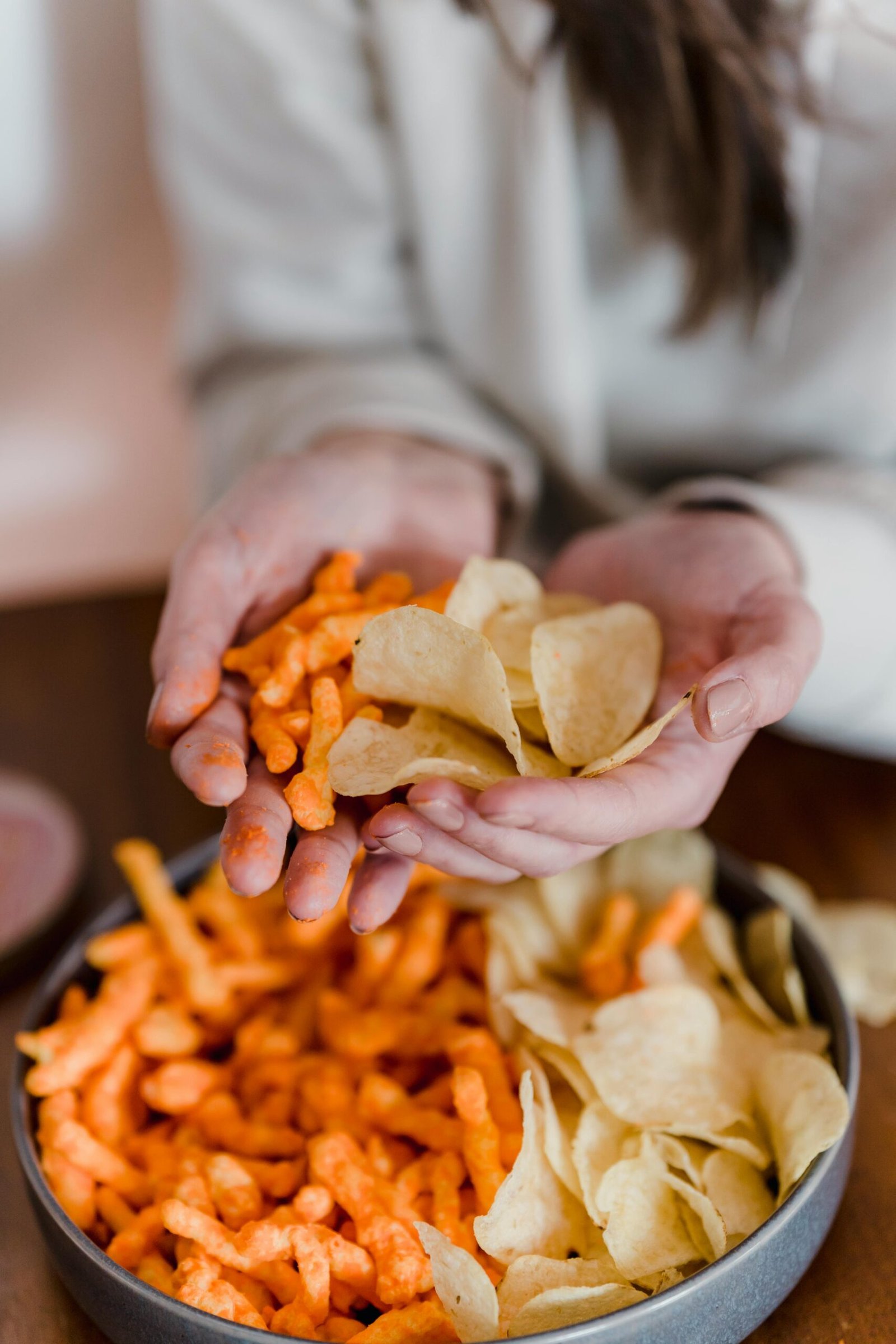
- Industrial trans fats (hydrogenated oils): created in factories (margarine, fried foods, processed snacks).
👉 These are the dangerous ones, proven to increase LDL (“bad cholesterol”) and lower HDL (“good cholesterol”), raising heart disease risk.
⚠️ If you see “trans fat” on labels for meats, fish, fruits, or vegetables, it usually means they were processed or cooked industrially, not fresh/natural.
Natural vs. farmed or injected food
- Grass-fed beef: richer in omega-3, vitamin E, antioxidants.
- Corn-fed feedlot beef: higher omega-6, more inflammatory, fewer nutrients.
- Wild salmon: higher in omega-3, leaner, cleaner.
- Farmed salmon: higher in fat, lower in omega-3, more contaminants.
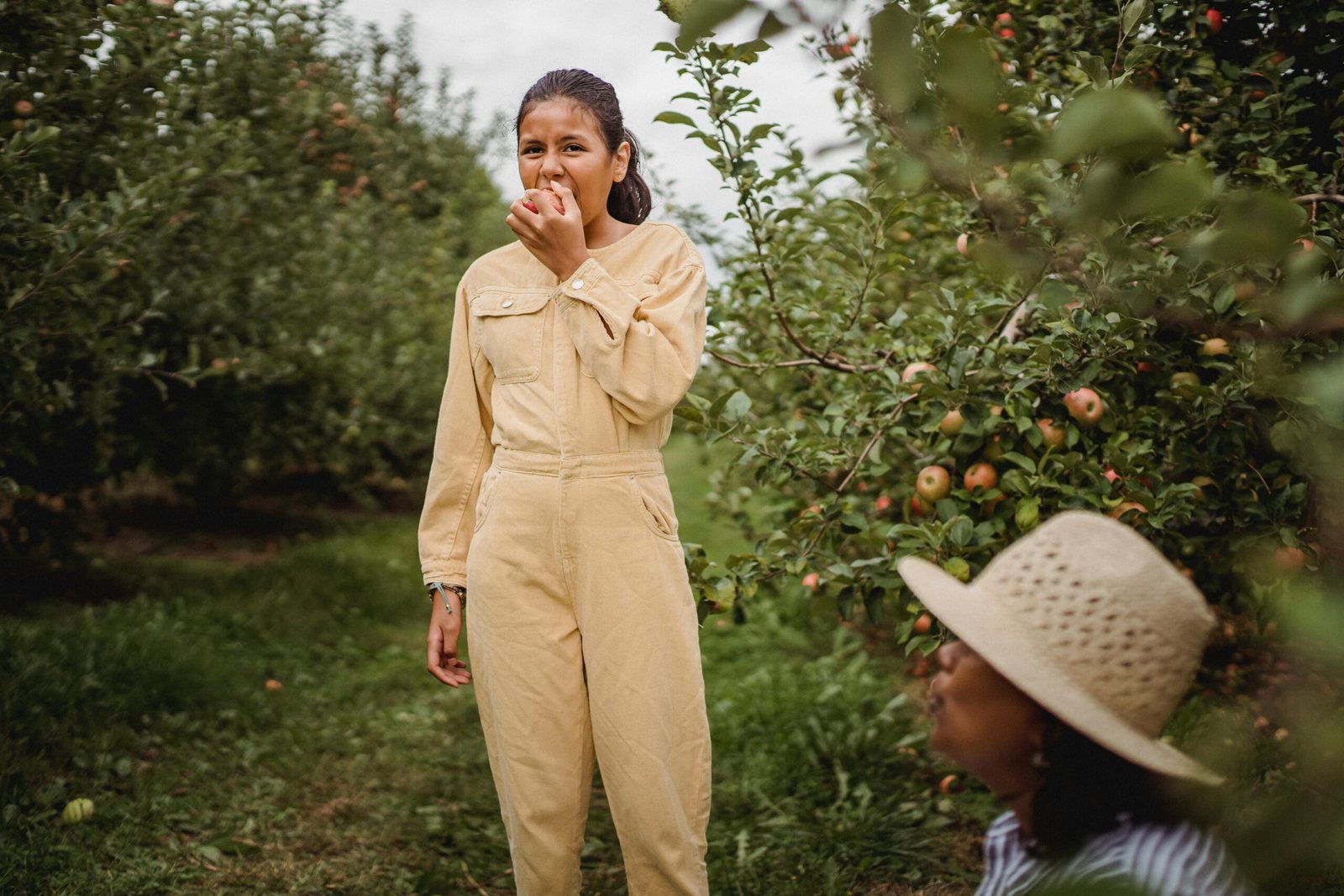
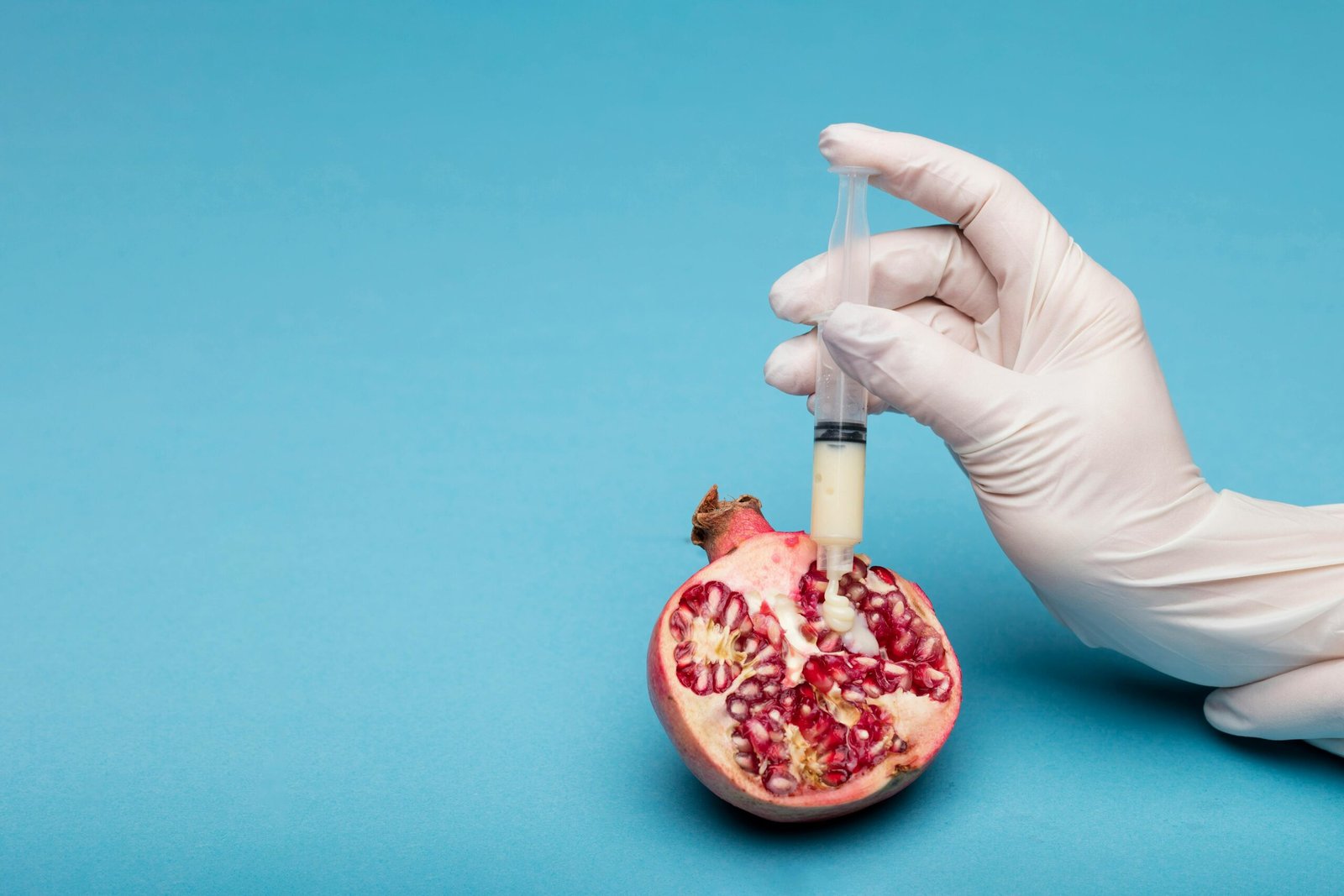
- Field-grown fruits/veggies: grow slowly, develop full antioxidants and phytonutrients.
- Fast-grown or injected crops: grow quickly, but have lower nutrient density.
Nutrients: natural vs. industrial
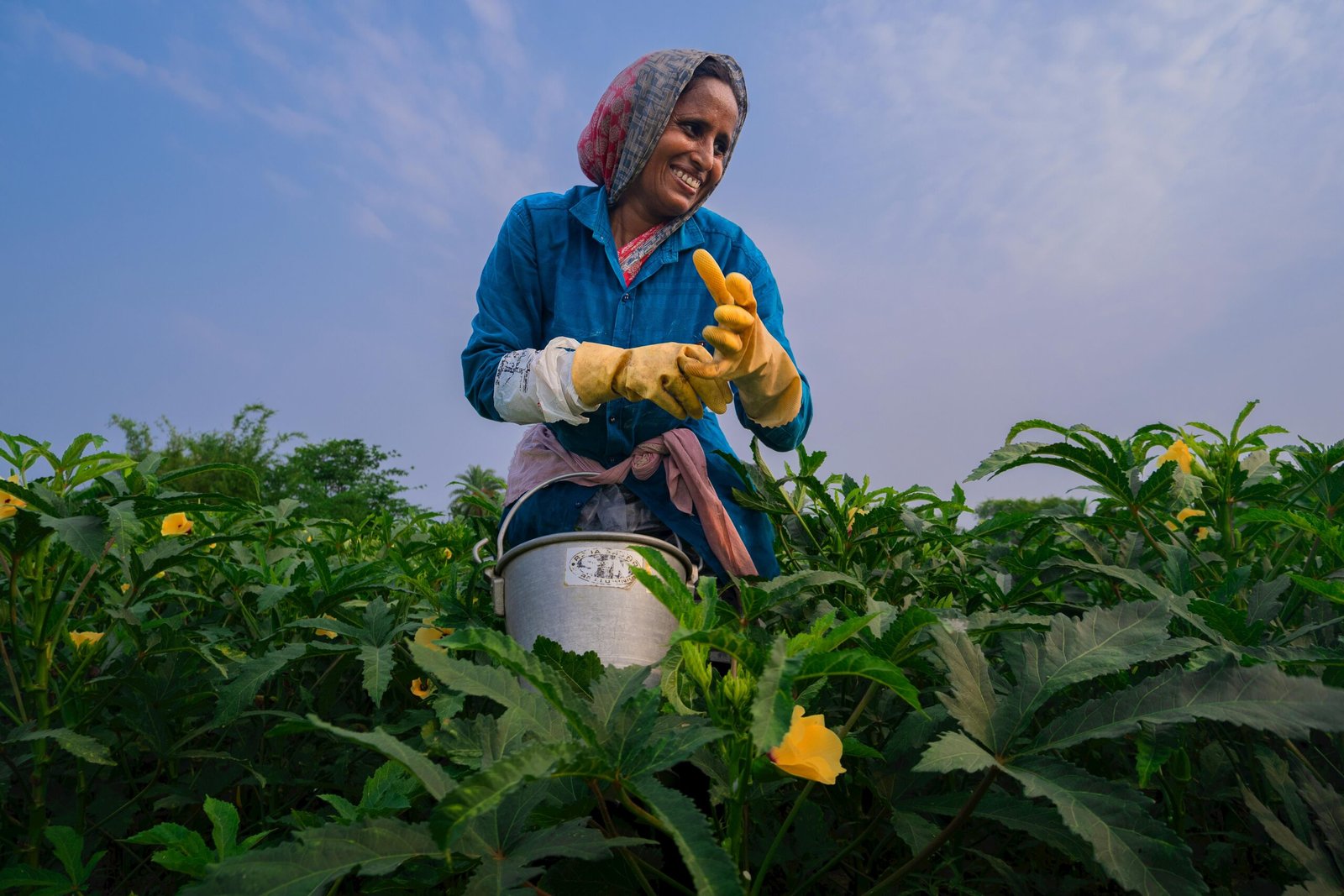
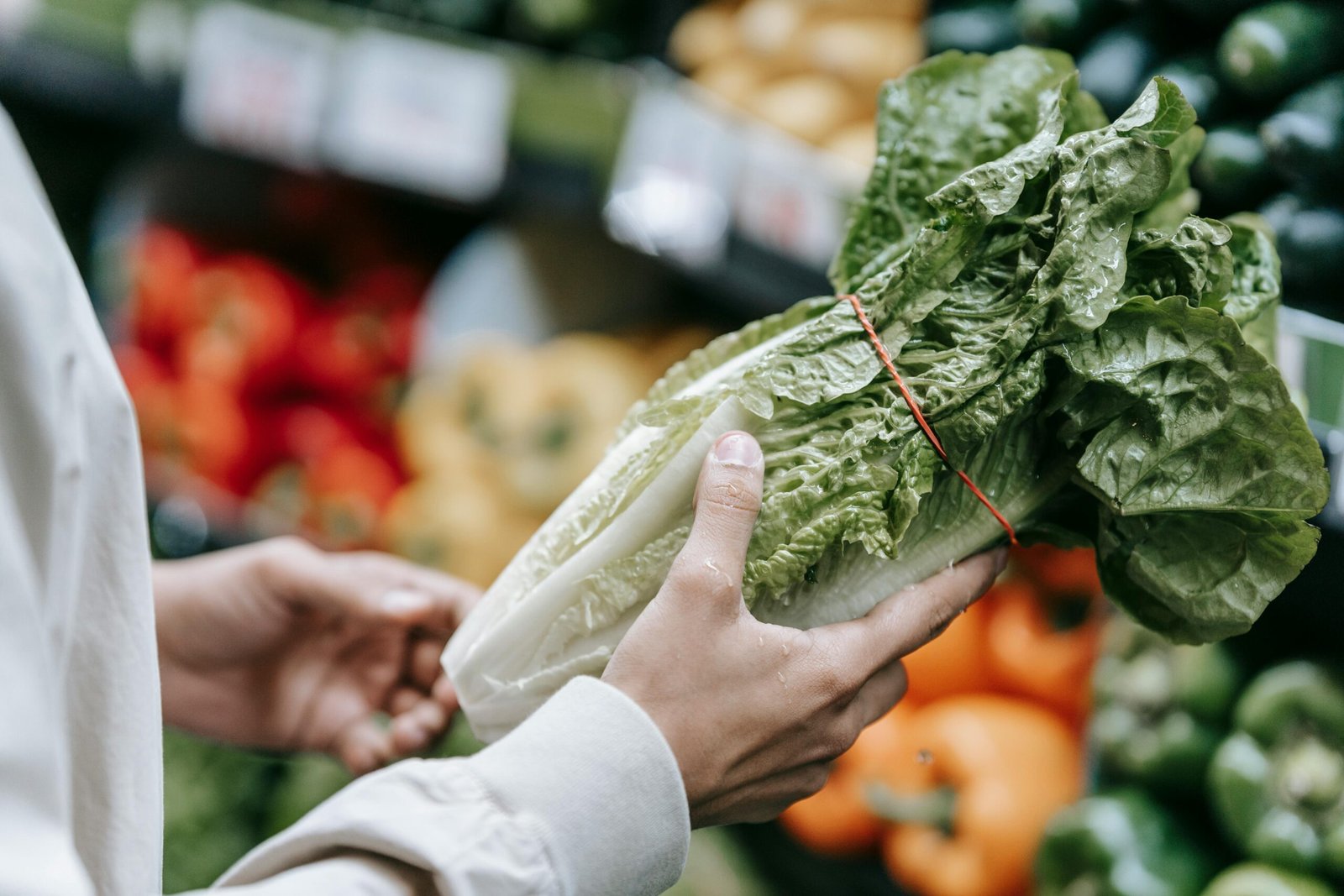
Studies show industrial food can have 20–50% fewer nutrients compared to natural/organic.
Examples (FAO, USDA, sustainable agriculture studies):
- Commercial spinach: up to 40% less magnesium & vitamin C than organic.
- Greenhouse tomato: up to 50% less lycopene (antioxidant) than field-grown.
- Industrial oranges: less vitamin C if harvested unripe and ripened in storage.
- Feedlot beef: up to 50% less omega-3 than grass-fed beef.
- Farmed salmon: up to 30% less omega-3, more saturated fat than wild salmon.
👉 So your instinct that some foods may have “less than 30% of the true nutrients” is valid in certain cases of industrial farming.
Summary
- Bad trans fats = industrial hydrogenated oils.
- Plastic-wrapped, farmed, or injected foods = nutrient loss (20–50% less).
- True natural from field or ocean = nutrient dense and real.
- Real food = better taste, better health, better energy.
2. What Labels Say (and What They Hide)
In the U.S., food labels can be misleading:
- “Natural” means nothing legally; even products with chemicals can use the word.
- “Grass-fed” may be true for a few months, but many cows are switched to corn afterward.
- “Organic” means no synthetic pesticides, but food can still be packaged, stored, and manipulated.
- “Cage-free” often means chickens packed into barns—not roaming outdoors.
👉 The industry plays with words because they know people want to feel healthy, even if the product is not truly so.
3. Science and Real Nutrition
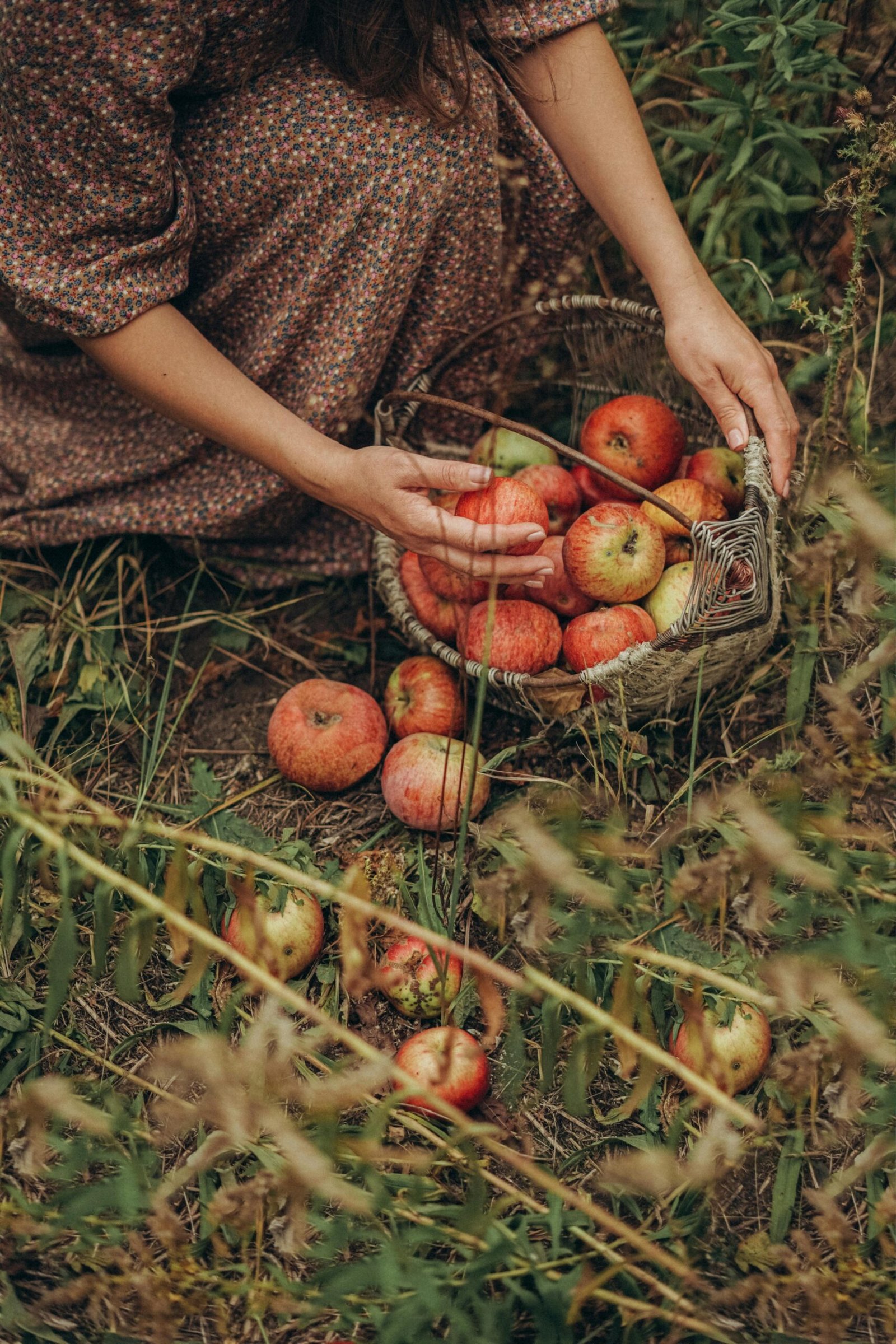
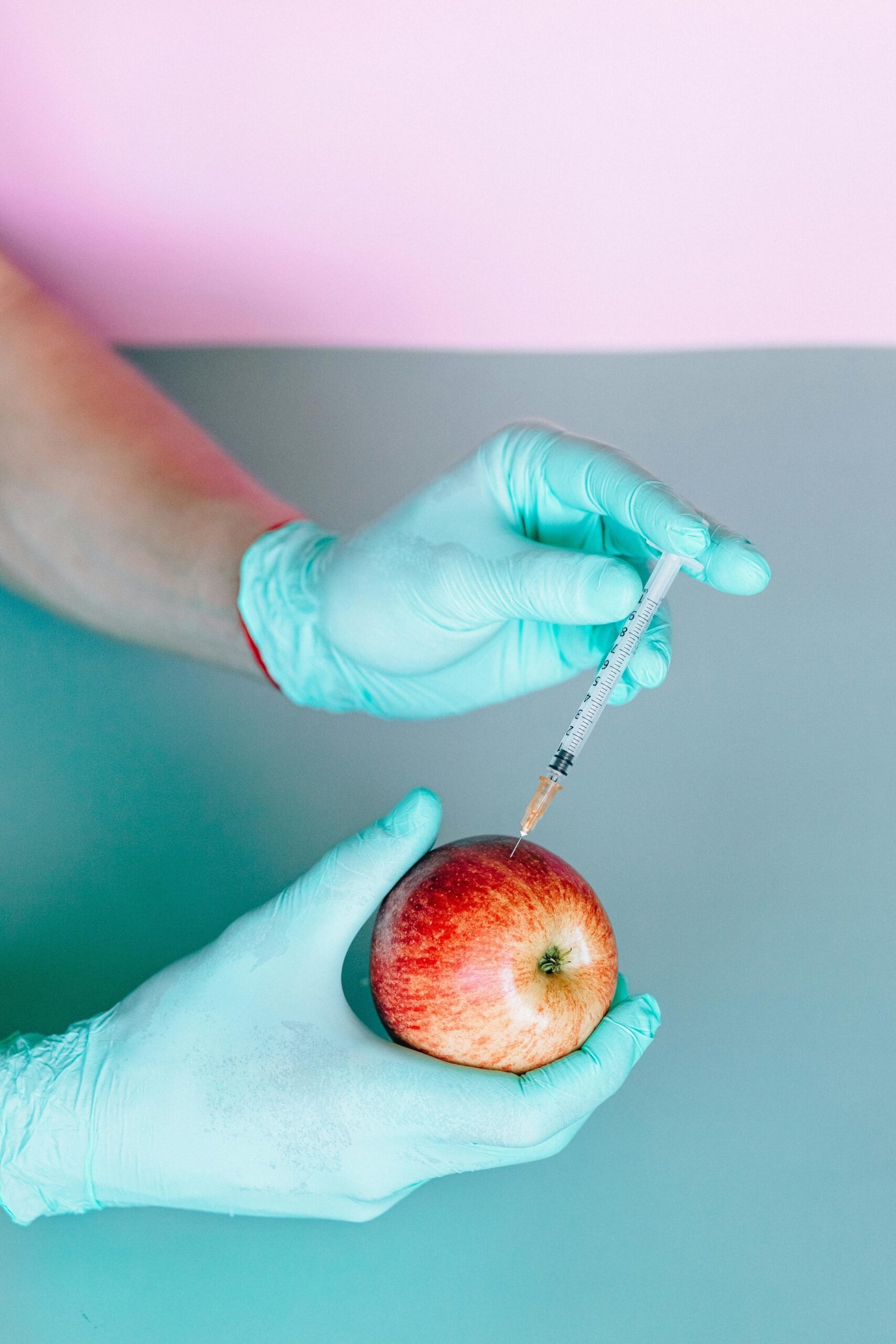
- A greenhouse tomato can have up to 50% fewer antioxidants (lycopene) than a field-grown tomato (Martínez-Valverde et al., J Sci Food Agric, 2002).
- Corn-fed beef has more saturated fat and less omega-3 than grass-fed beef (Daley et al., Nutrition Journal, 2010).
- Farmed salmon can have up to 30% less omega-3 and more contaminants than wild salmon (Hites et al., Science, 2004).
- Commercial spinach can have 40% less vitamin C and magnesium than organic spinach (USDA Nutrient Data Laboratory).
This proves what you already feel: it doesn’t taste the same because it isn’t the same.
4. The Intention of the System

Here’s the hard but true part:
- In the U.S., the food industry is a business of volume and profit, not health.
- It benefits if you buy more, eat more—and even if you get sick, because then you spend on medicine.
- Not everything in the supermarket is poison, but almost nothing is 100% natural. If it’s wrapped in plastic, processed, or factory-farmed, it has lost part of its nutritional soul.
👉 This isn’t conspiracy, it’s logic: a farm-raised chicken takes months to grow; an industrial chicken takes weeks. Speed sacrifices quality.
5. The System Is Built to Fill You, Not to Nourish You


Here’s the raw truth:
- The food industry isn’t designed for your health, it’s designed for profit.
- They want you to buy more and eat more—even if it means fewer nutrients and more chemicals.
- They give you products that fill your stomach but don’t feed your cells.
⚠️ That’s why in the U.S. you see people who are overweight but malnourished: they eat too much, but their bodies still crave real nutrition.
6. Why the System Lies to Us
- Labels mislead: “natural,” “lite,” “0 trans fat” when the food is still processed and manipulated.
- Advertising manipulates: cereals marketed to kids loaded with sugar, sodas sold as happiness.
- Convenience traps us: everything fast, cheap, packaged—even if it costs us long-term health.
👉 The system doesn’t want you to think, it wants you to buy.
7. The Truth for You
- The, truth: authentic natural food is what grows in its own time, what comes from the earth or the sea without manipulation.
- The, truth labels deceive: they don’t always reflect what consumers believe.
- But not everything is lost: there are still better options—farmers’ markets, “wild-caught,” “100% grass-fed,” local organic. They aren’t perfect, but they’re the closest we can get to real.
8. Personal Responsibility

That’s why everything in life must be questioned:
- You can’t blindly trust what the industry sells you.
- It’s a personal duty to seek the best for yourself, your body, and your health.
- No one else will do it for you—not the supermarket, not the food industry, not the government.
👉 Your power lies in choosing the realest option possible: local farmers’ markets, “wild-caught,” “100% grass-fed,” seasonal fruits and vegetables.
Why We Can’t Truly Nourish Ourselves Anymore

We live in a system designed for speed, not for health.
- Time feels like it moves faster every day.
- Prices go up, but our pockets don’t improve.
- We spend more hours working, studying, raising kids, and handling responsibilities than actually caring for our health.
👉 That’s the trap: the system pushes us to eat fast, not to eat real.
⏱️ The Fast System

The food industry knows this:
- It sells you fast food because you don’t have time to cook.
- It offers “ready-made” packages because you’re exhausted after work.
- It puts cheap, filling products in front of you—but they’re empty of nutrients.
It’s not coincidence. It’s by design.
The Invisible Cost

- What’s cheap today becomes expensive tomorrow: more doctors, more medicines, more disease.
- They fill your stomach, but don’t feed your cells.
- You eat more, but stay hungry—because your body is asking for real nutrients that never arrive.
The Harsh Truth

In modern times, caring for your health feels like a luxury when it should be the most basic thing.
- Time gets swallowed by work.
- Money gets swallowed by inflation.
- Energy gets swallowed by endless responsibilities.
And in the middle of all that, health ends up at the bottom of the list… until it breaks.
✨ Human, Direct, and Science-Backed Message
The food we find in many U.S. supermarkets is no longer the food that God and nature designed for us. It’s accelerated, manipulated, packaged—built to fill stomachs and wallets, not to nourish lives. A tomato, a plantain, an avocado grown in the field tastes different because it has what it should: sun, soil, water, and time. Science confirms it: when we rush processes, nutrients drop 20–50%. That’s the truth. Not to scare us, but to open our eyes so we can choose better.
✨ Strong Message
Today the system is built so you live fast, work hard, and feed yourself with what fills but doesn’t nourish. The real challenge is to pause, question, and choose consciously: even if the world moves faster, your body is still the same—it was designed to be nourished by the real things: sun, water, soil, time. Health is not negotiable: you either invest in it daily, or you pay for it tomorrow.
✨ Final Message
The system is designed to fill you, not to nourish you. It lies with labels, tricks you with advertising, and sells you speed at the cost of your health. That’s why everything must be questioned—and why we must take personal responsibility to choose what’s real, to return to the earth, the ocean, and what God created to truly feed us. Because only there lies real life.