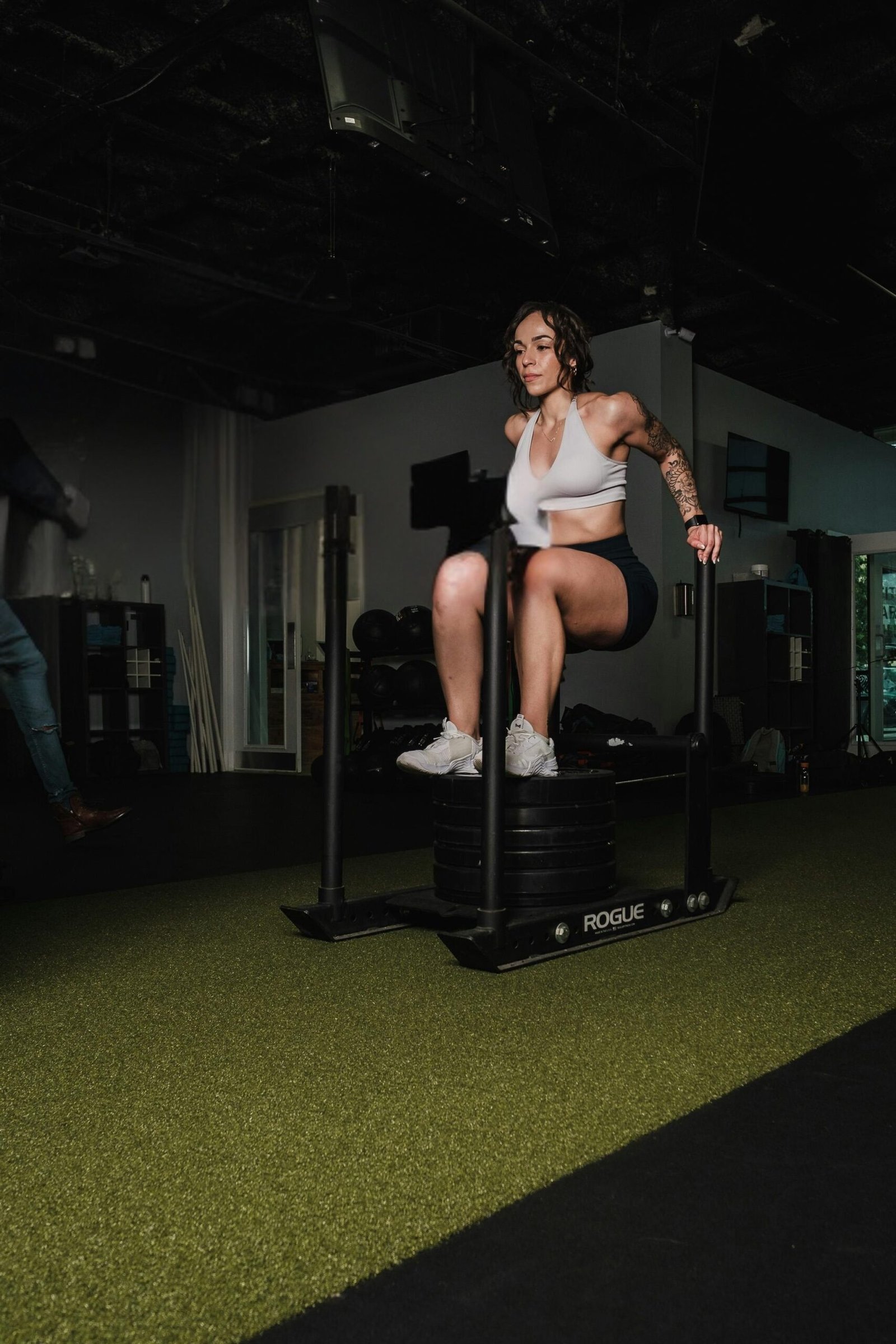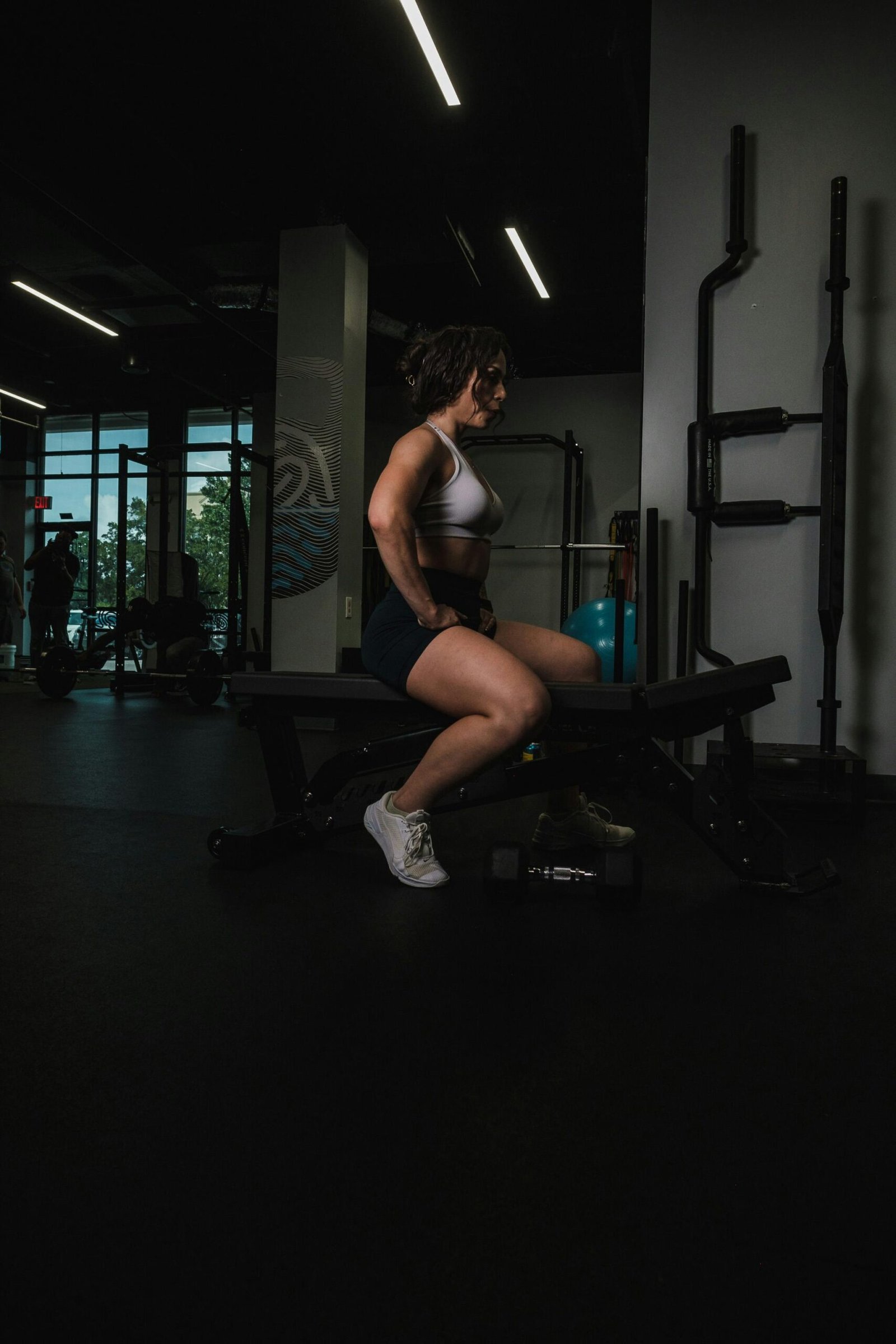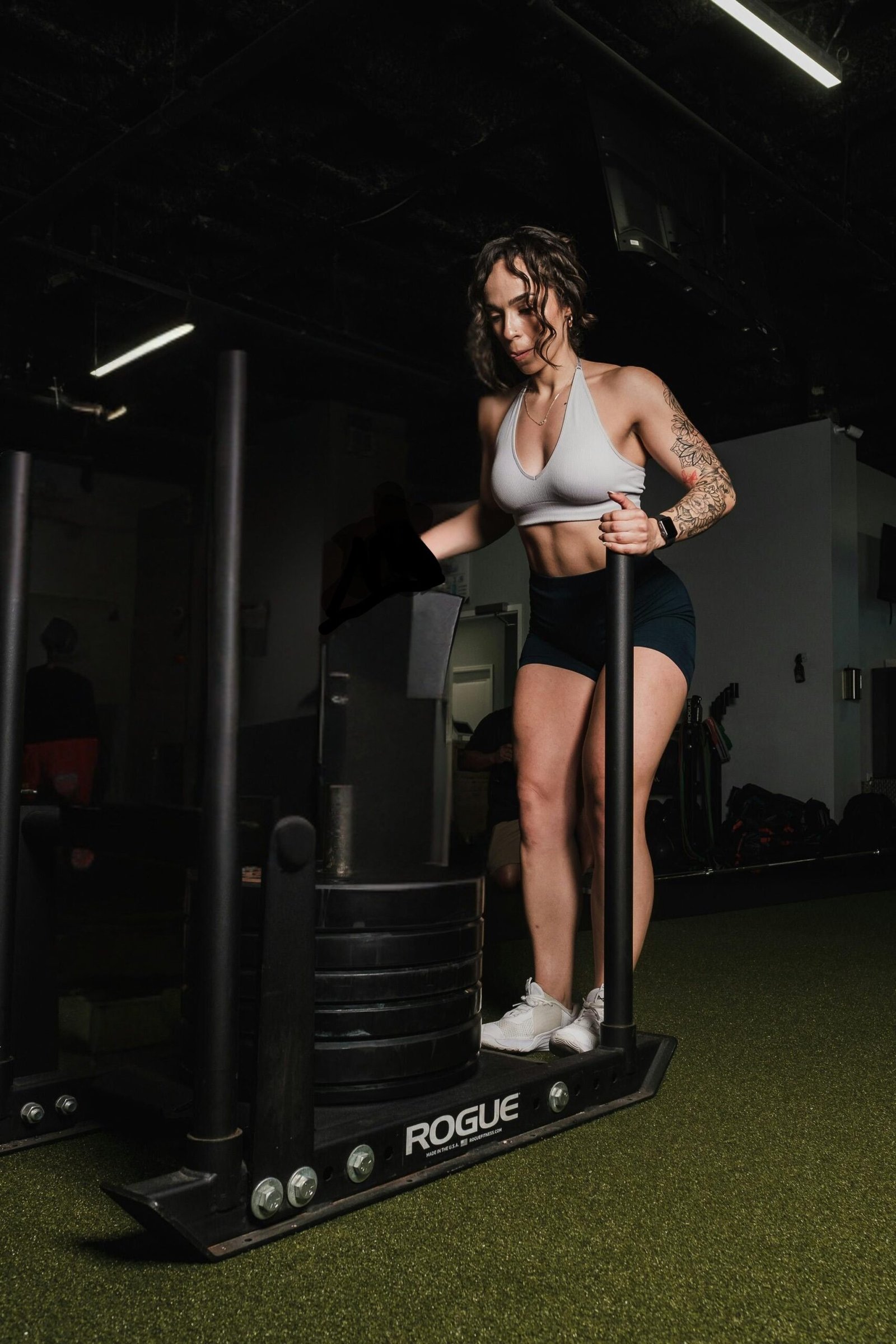
In a world where the idea of fitness is often tied to the pursuit of a perfect body, it’s time we reconsider what fitness truly means. Fitness isn’t just about how we look—it’s about how we feel, how we challenge our limits, and how we honor our bodies through movement.
Today, fitness is too often seen through the lens of aesthetics. Social media is flooded with “fitspiration” images that focus more on appearance than on the true power of the body. But real fitness isn’t about a number on the scale or the way you fit into a certain size. It’s about developing strength, resilience, and discipline. It’s about showing up for yourself every day and being committed to long-term growth—mentally and physically.
Redefining Fitness: It’s More Than Skin Deep
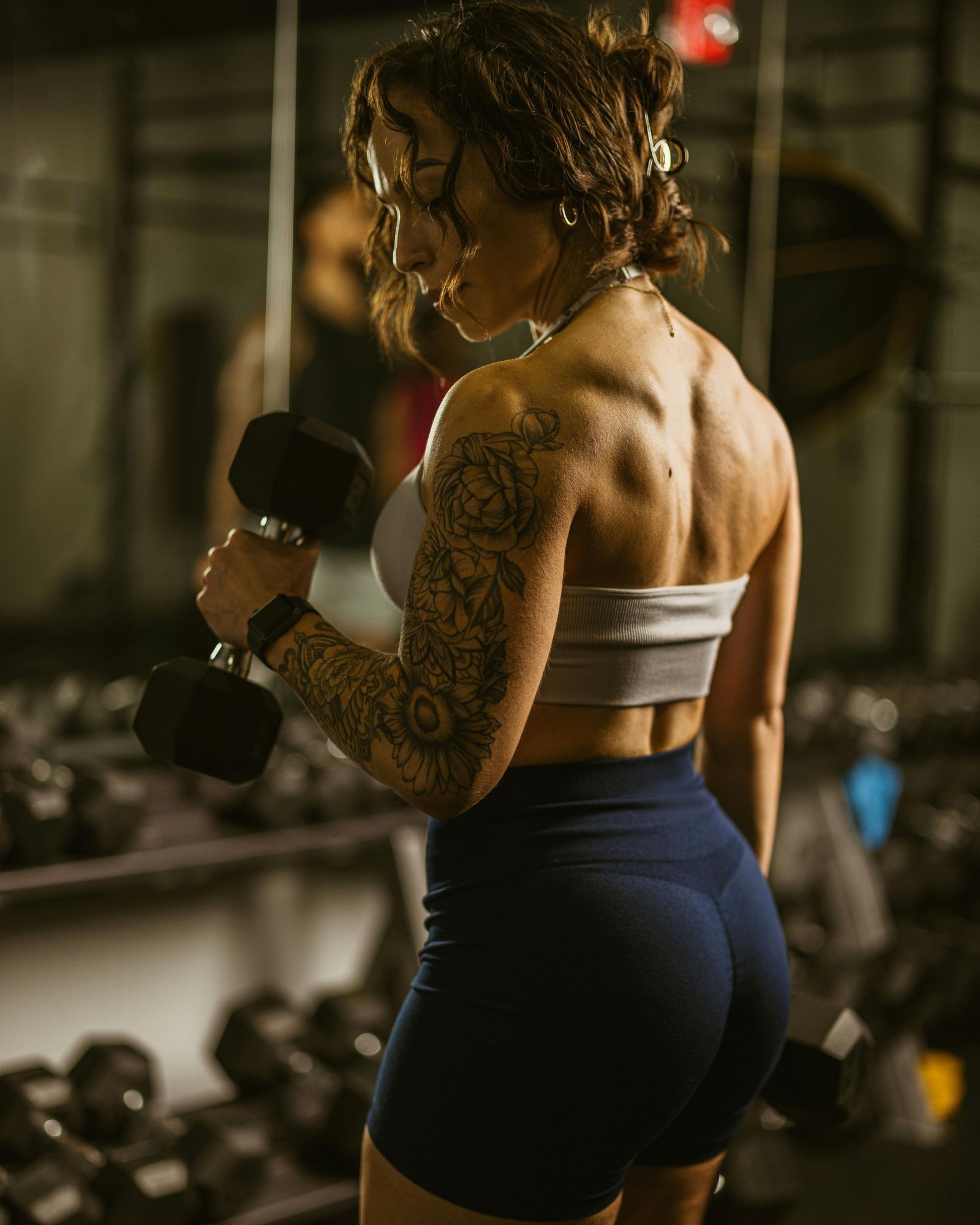
Let’s start with a truth many of us need to hear: fitness is not a one-size-fits-all endeavor. It’s not about sculpting your body into someone else’s idea of perfect. In fact, the pressure to achieve a specific body shape or size can be damaging to mental health. According to the National Eating Disorders Association (NEDA), 30 million Americans will suffer from an eating disorder in their lifetime, many of which are influenced by the aesthetic pressures of fitness culture.
Fitness should be about health—not aesthetics. When we focus on health, we focus on building our strength, mobility, and overall well-being. We’re not chasing an ideal image that’s often unattainable or unrealistic; we’re becoming stronger versions of ourselves. Studies, such as those conducted by the American Heart Association, show that regular physical activity has significant benefits beyond looking good—it reduces the risk of chronic diseases, improves mood, and enhances mental clarity.
Discipline Over Aesthetic: The Power of Consistency
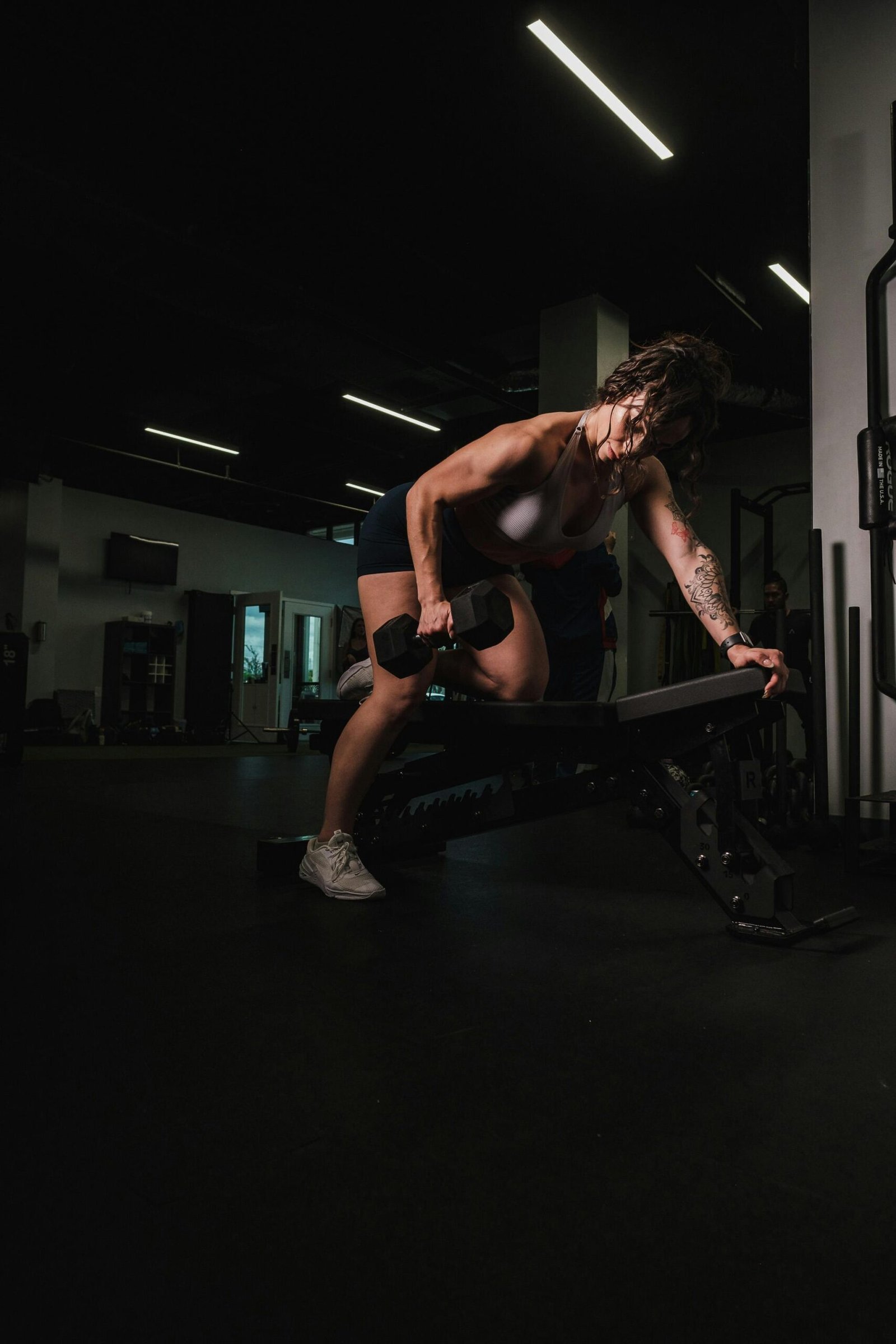
One of the most powerful aspects of fitness as discipline is the act of showing up for yourself, regardless of how you look. The physical transformation may come, but true growth comes from the commitment to the process, not the final result. This is where discipline plays a crucial role.
When we think of fitness as a discipline, we start to view each workout as a step toward progress—not just a way to burn calories or build muscle. It’s about:
- Building Mental Toughness: Every rep, every step, every set you push through is a victory over your mind. The more you challenge yourself, the stronger your willpower becomes.
- Consistency is Key: Progress in fitness is made through small, consistent efforts. Showing up to work out when you’re tired, when it’s raining, or when you’d rather stay in bed—that’s discipline. It’s about understanding that the results will follow, even if they don’t happen overnight.
In a world that focuses on quick fixes and immediate results, it’s essential to understand that sustainable fitness is built on the foundation of routine and perseverance.
The Mind-Body Connection: Fitness Fuels Mental Strength
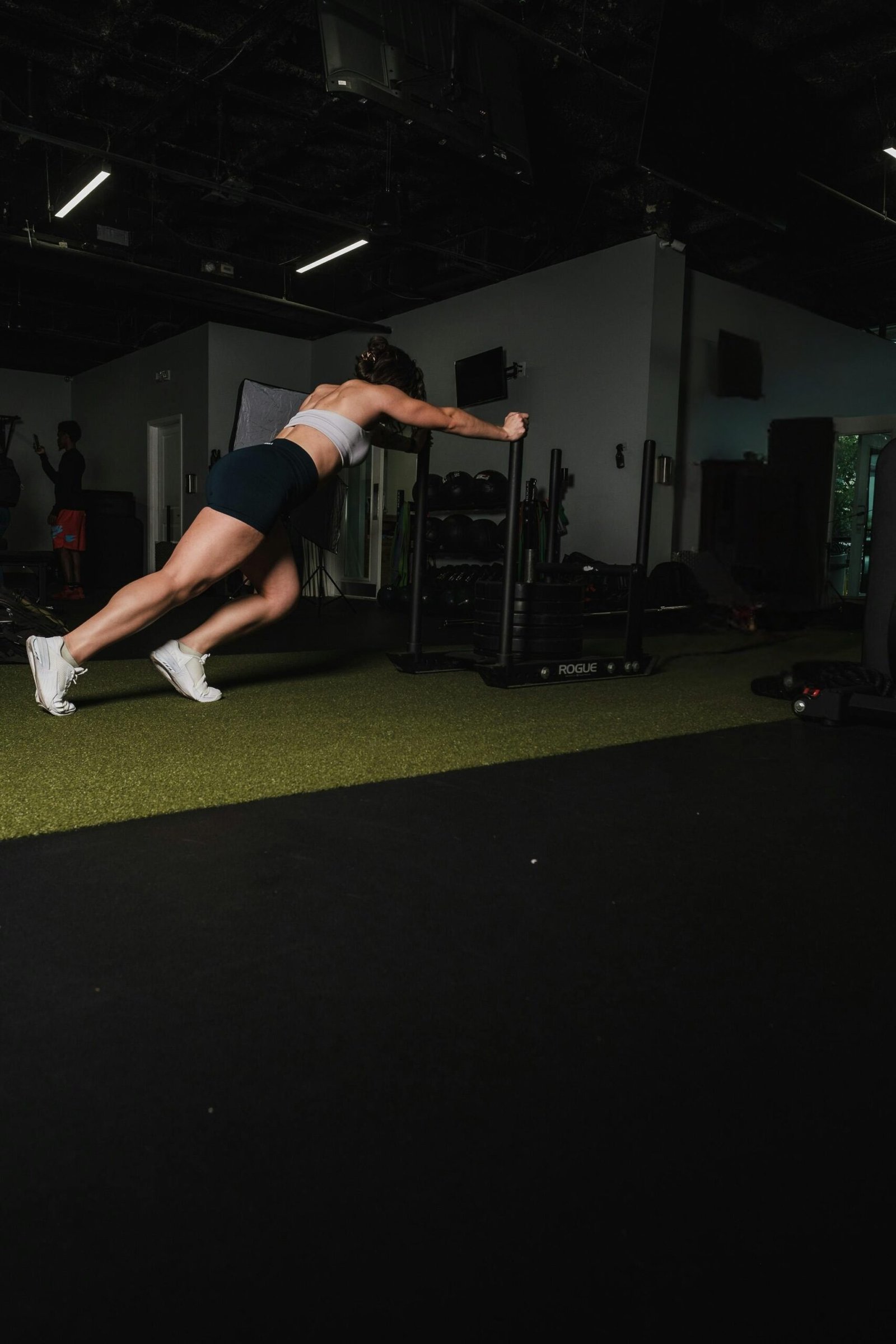
Fitness is one of the most powerful tools we have to cultivate mental strength. Research by the Mayo Clinic highlights how regular physical activity can reduce stress, anxiety, and depression. Exercise releases endorphins, the body’s natural mood boosters, which can help combat the emotional strain that comes from our daily lives.
Moreover, fitness through a disciplined approach teaches you how to manage discomfort. When you push through a tough workout, you’re training your brain just as much as you’re training your body. Over time, you become more resilient, not only in the gym but in your day-to-day life. You learn to deal with setbacks, frustrations, and challenges with a more positive mindset.
Tools to Strengthen Your Discipline
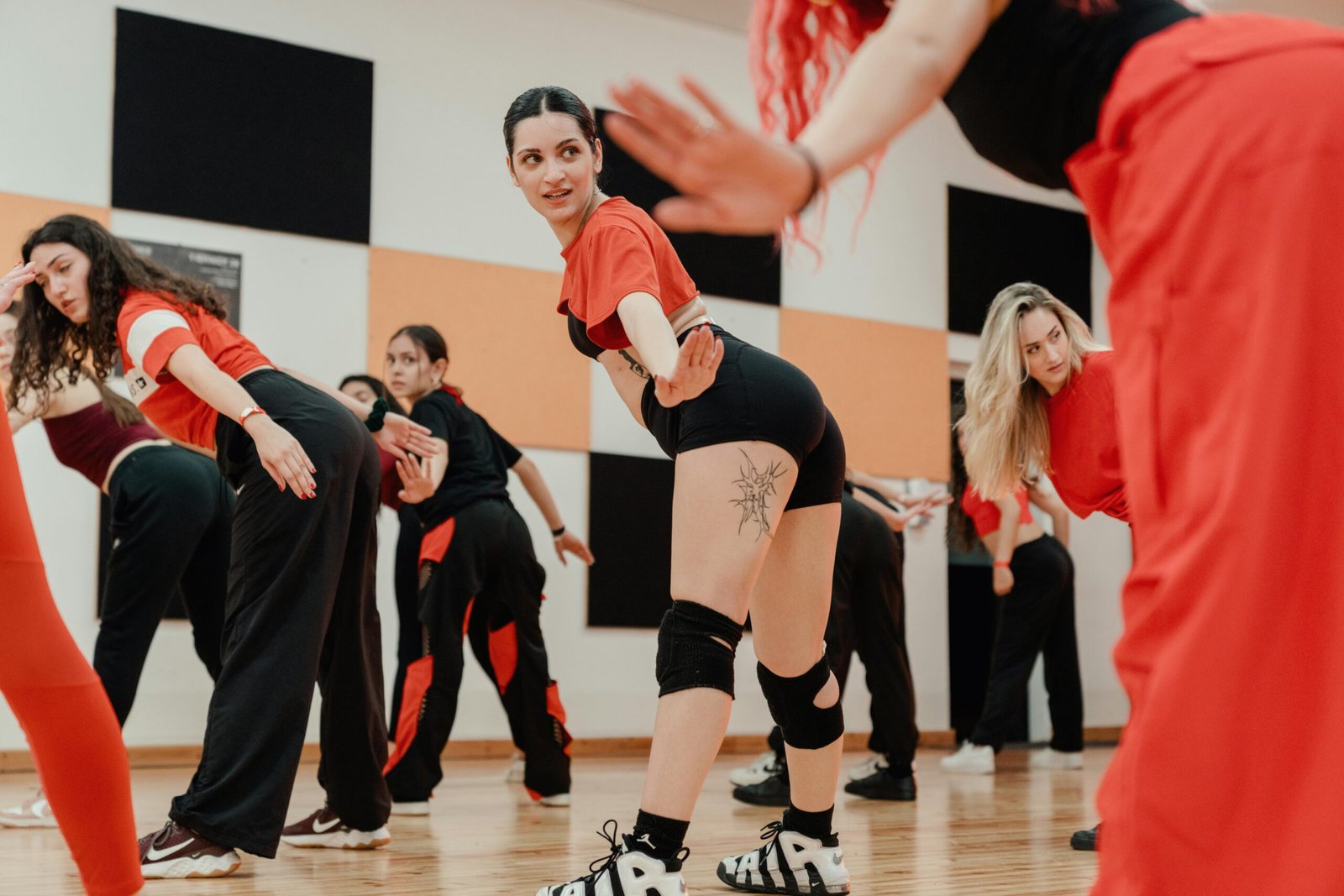
To bring this message of discipline into action, here are some tools that can help anyone start focusing on fitness as a lifestyle:
- Tracking Progress (Without Obsessing Over Numbers): Use tools like a fitness journal or apps like MyFitnessPal to track your workouts and set personal goals. Instead of focusing on weight loss or body measurements, track how many reps you can do or how far you can run. Celebrate those little victories—they matter.
- Embrace Rest: Discipline also means understanding when to rest. The best athletes know that rest and recovery are as important as the workout itself. Schedule recovery days to recharge your muscles and mind.
- Variety in Workouts: A rigid workout routine can feel monotonous. Switch things up by adding activities you enjoy—whether it’s dancing, boxing, yoga, or hiking. Finding joy in the process is key to sustaining fitness as a lifelong discipline.
- Set Realistic, Personal Goals: Instead of aiming for a ‘perfect body,’ focus on setting goals that challenge you physically and mentally. Want to run a 5k? Increase your squat weight? Try a new sport? All of these milestones are victories in themselves and will fuel your discipline.
- Community Support: Surround yourself with others who share similar fitness goals, whether online or in person. Having a support system that encourages discipline and progress can make all the difference.
The Stronger, Healthier You
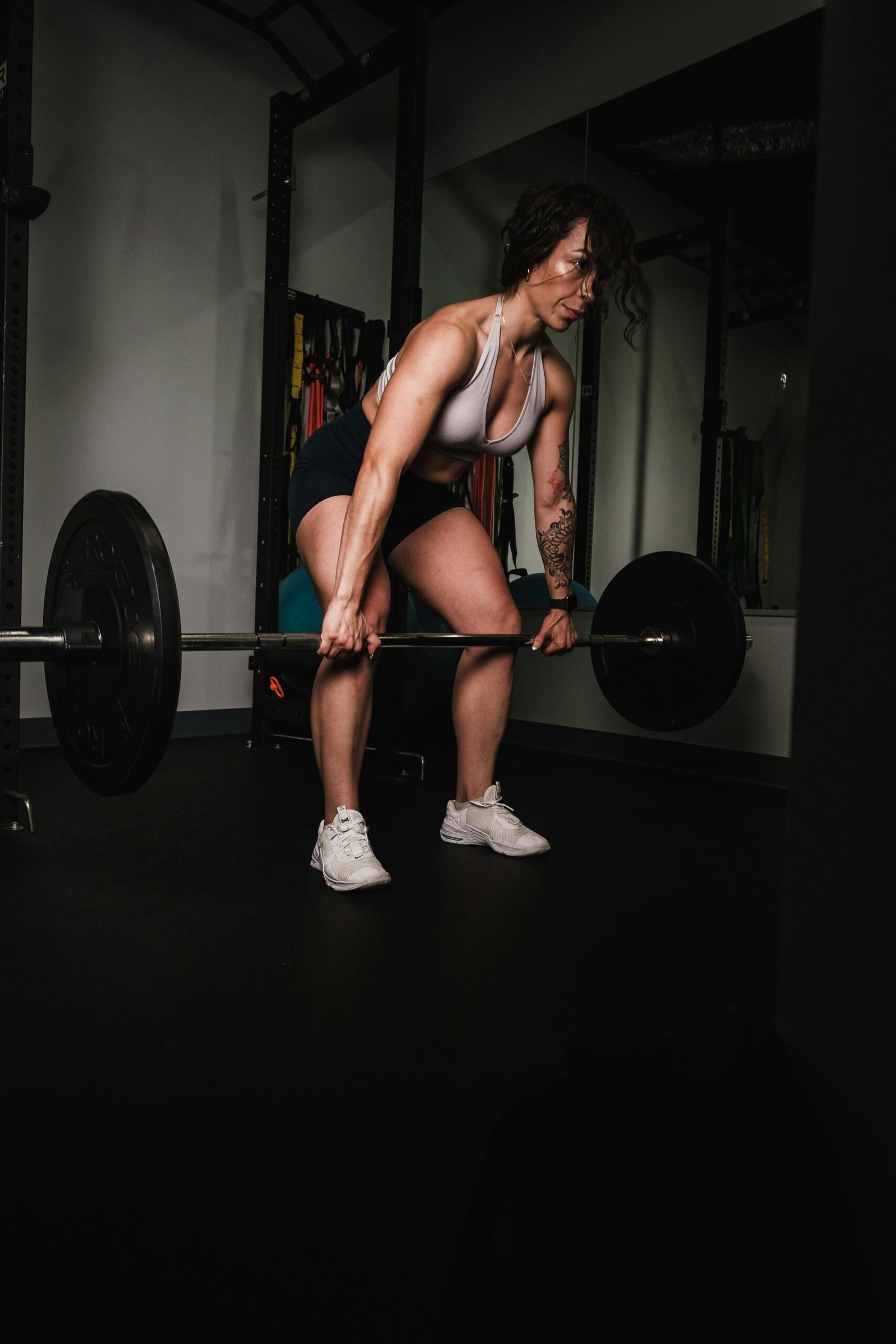
Let’s shift the narrative. Fitness isn’t about fitting into a mold or looking a certain way—it’s about the discipline to continue showing up, even when it’s hard. It’s about embracing the process, pushing your limits, and seeing your body as a powerful tool for life, not just a decoration.
The truth is, the pursuit of aesthetic fitness is fleeting—it fades. But the strength, resilience, and mental fortitude you gain through a disciplined fitness routine? That stays with you forever.
So, what will you choose? A fleeting appearance or a lasting transformation?
Conclusion
Fitness as discipline is the real path to long-term health and well-being. It’s about creating habits that honor your body, mind, and spirit. When we stop focusing on aesthetics and start valuing consistency, growth, and strength, we unlock a deeper, more meaningful connection to fitness—and to ourselves.
So next time you step into the gym or hit the track, ask yourself: “What am I truly training for?” It’s not just a six-pack or toned arms—it’s for mental clarity, for physical strength, and for the kind of discipline that makes life feel like an empowering journey.