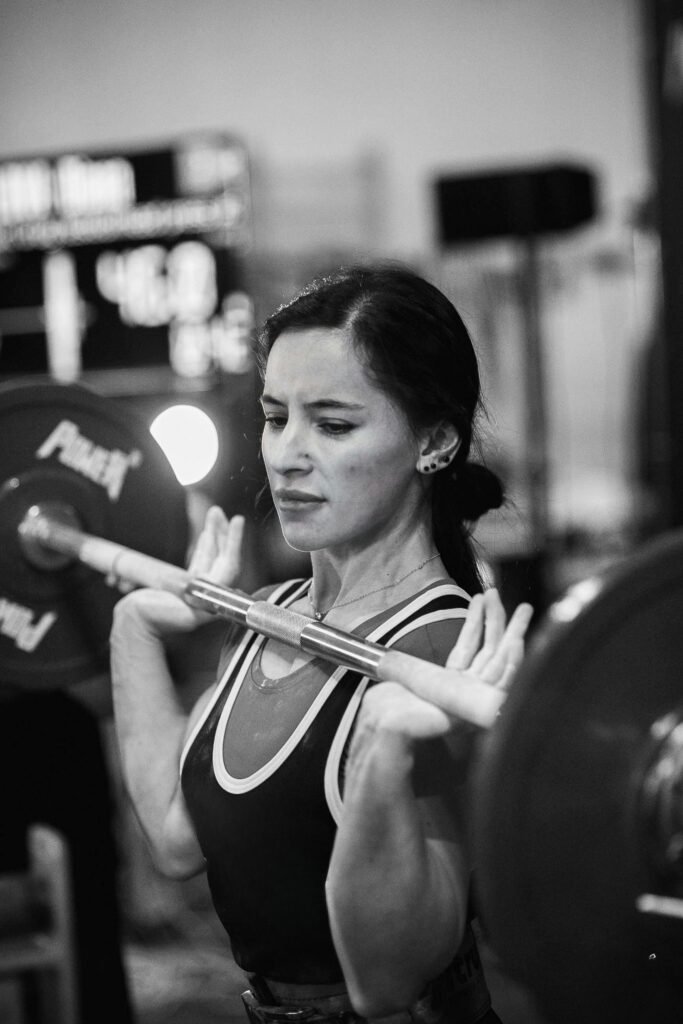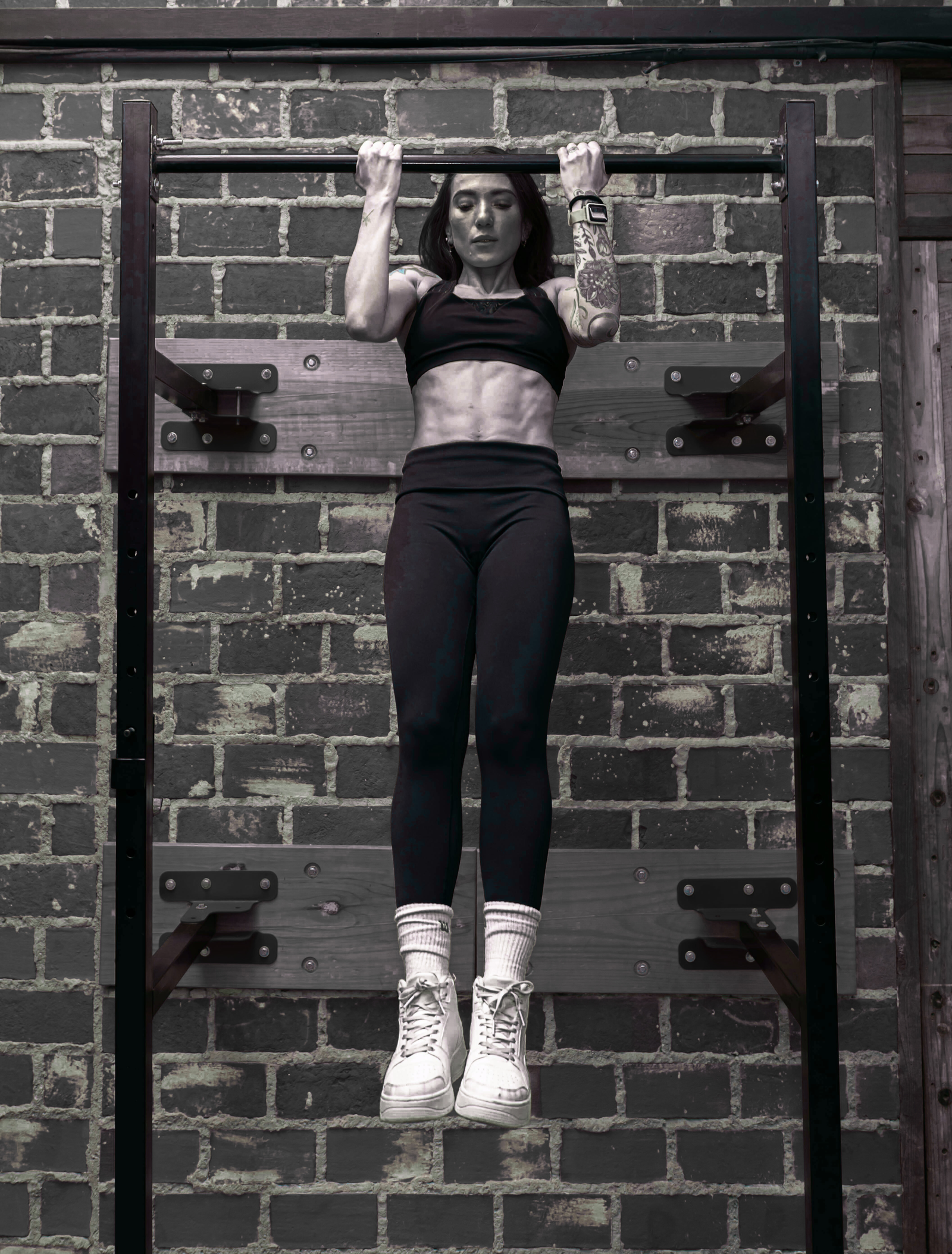
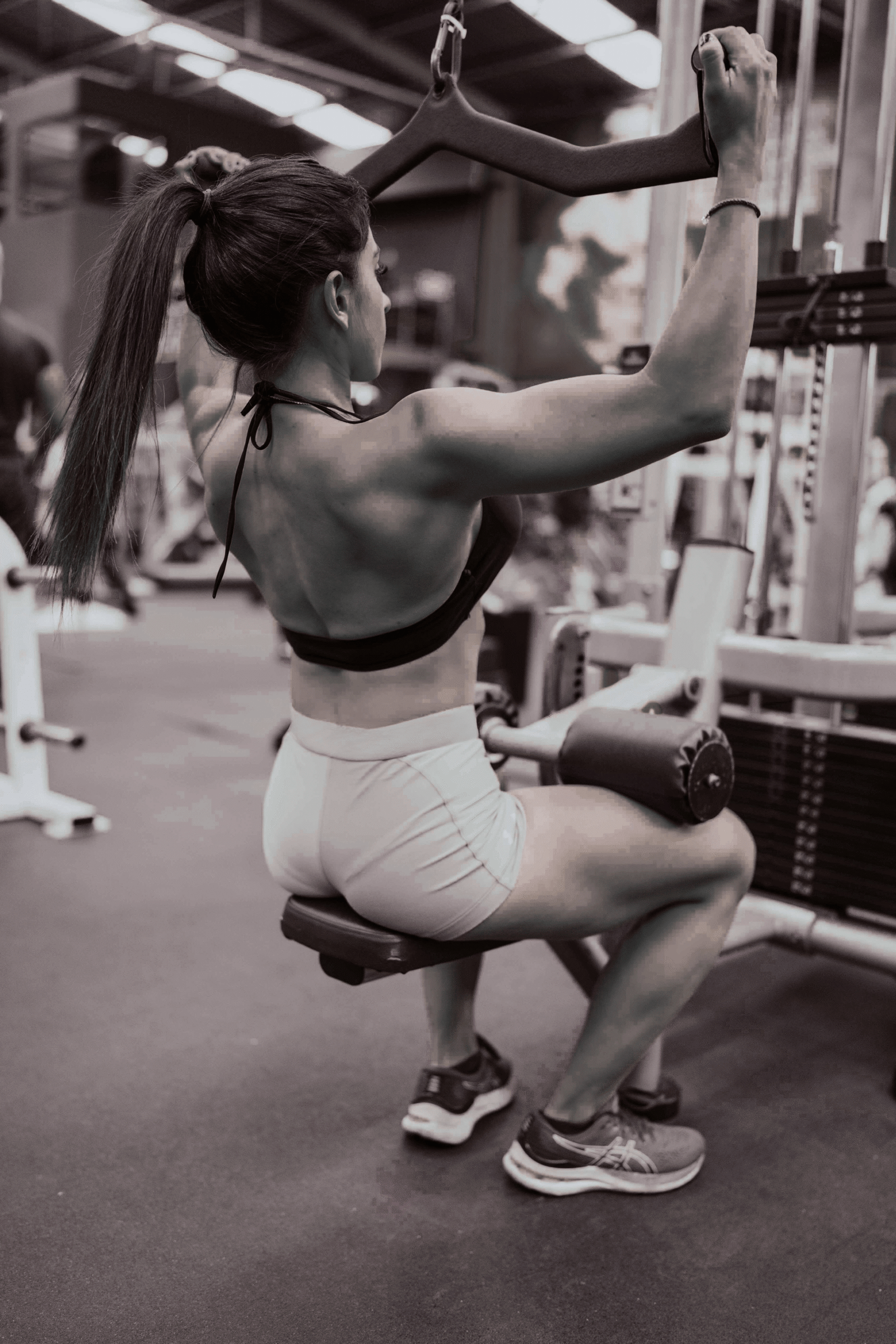
Most workouts you see online start with what people call the “mirror muscles”—arms, chest, glutes. They’re what show up in photos, what people flex in the gym. But here’s the truth: the two areas that hold everything together—the back and the core—are often ignored. And that’s a mistake.
If you want strength that lasts, posture that supports you, and movement that feels natural, your back and core should be the first on your list.
Walk into any gym and you’ll see the same thing—trainers giving clients curls for arms, crunches for “abs,” and squats for glutes hip thrusts, and leg presses.“Leg day” is glorified, and glutes are treated like the holy grail. These are the muscles people want to see. But here’s the truth that rarely gets said out loud: legs and glutes aren’t the real foundation—your back and core are.
The truth is : the two areas that matter most rarely get the attention they deserve.
And that’s a problem. Because without a strong back and a stable core, every other exercise you do is built on shaky ground.If those two areas are weak, every squat, every deadlift, every push and pull becomes unstable. You might look like you’re training hard, but you’re building on shaky ground.
Why Trainers Don’t Talk About Back and Core Enough
- It’s not flashy. People want to see results in the mirror—flat stomachs, toned arms, bigger glutes. You don’t “see” your back, and core training is more than just abs.
- It’s misunderstood. Many think the core = six-pack. In reality, it’s your deep abs, obliques, diaphragm, pelvic floor, and lower back working together.
- Client demand drives the focus. Trainers give people what they ask for, not always what they need (a stable spine and strong foundation).
But what people really need? A strong back and core.
Why Back Training Comes First
The back is your posture. It’s what holds your chest up, keeps your shoulders from rolling forward, and protects the spine that carries your nervous system. Without strong back muscles (lats, rhomboids, traps, erectors):
- You slouch at desks or in daily life.
- Your squats collapse forward.
- Your lower back takes stress it shouldn’t.
👉 Science backs it: studies show back training reduces the risk of spinal injuries and improves balance in every other lift.
A strong back = a tall spine, open lungs, and better performance in every single exercise.
Why Core Training Is the Anchor
Your core is more than visible abs—it’s your body’s internal anchor.
- Breathing: The diaphragm and core work together. A weak core = shallow breathing. A strong core = deeper oxygen flow and better performance.
- Stability: Core muscles connect the upper and lower body. Without them, you wobble in squats, deadlifts, and even running.
- Injury prevention: A solid core keeps the spine safe under load. Weak core = higher injury risk.
👉 Research shows that athletes with stronger core stability have fewer injuries and better performance across all sports.
Why Starting From “Bottom to Top” (Legs and Glutes First) Is a Mistake
Fitness culture preaches “start from the bottom.” Train legs and glutes, because they’re the “base.” But here’s the problem:
- Strong legs without strong core/back = collapsed squats.
- Big glutes without posture = poor hip alignment and back pain.
- Heavy deadlifts without stability = rounded spine and injuries.
👉 Legs push you, yes—but your back and core hold you. Without them, your “bottom” strength has no balance.That’s why back and core should never be “add-ons.” They are the foundation. I would not call the legs the foundation.
Why Most People Start Wrong
Most programs are built from the bottom up. Legs and glutes get the spotlight because they’re trendy and give quick results. But starting with legs alone is like trying to build a house on weak soil. Sure, the structure might look good for a while, but eventually, it collapses.
👉 Correction: The body should be trained from the inside out, not just bottom up. That means making your back and core the first priority, because they hold everything else together.
Why Back and Core Should Come First
- They stabilize every lower-body move.
Squats, deadlifts, lunges—all depend on a strong back and core. Weak spine and weak trunk = poor form and higher injury risk. - They make breathing and posture natural.
A strong back keeps your chest open. A strong core supports your diaphragm so you can breathe deeper, lift safer, and avoid straining. - They protect your spine.
Your legs push, but your back and core hold the load. If those muscles aren’t ready, your spine takes the hit.
👉 Bottom to top should mean core + back first, then legs and glutes. That’s the true foundation.
The Breath Connection
Here’s something people rarely talk about: when your core is weak, you don’t breathe right. You breathe shallowly, your chest caves, and you fatigue faster. A strong core opens the diaphragm, letting your lungs expand fully. That means better endurance, better oxygen for muscles, and better recovery.
The Science to Back It Up
- Studies show that strong back muscles reduce risk of spinal injury and improve posture in everyday life.
- Core stability has been proven to improve breathing efficiency and athletic performance.
- Athletes with strong trunk muscles report fewer injuries and better lifting mechanics.
Salut Champs Philosophy
We’re not here for trends or hype workouts. At Salut Champs, we believe your health comes from the muscles that don’t always get the spotlight—the ones that protect you. That’s why we put back and core first. Because when they’re strong, everything else—from squats to tennis to running—becomes effortless.
3 Quotes to Carry With You
- Truth: “Legs push you forward, but your back and core keep you standing tall.”
- Motivation: “Train the muscles you don’t see—because they’re the ones that hold you up when life gets heavy.”
- For Women: “Ladies, strength isn’t just curves and squats—it’s posture, breath, and the power to move without pain.”